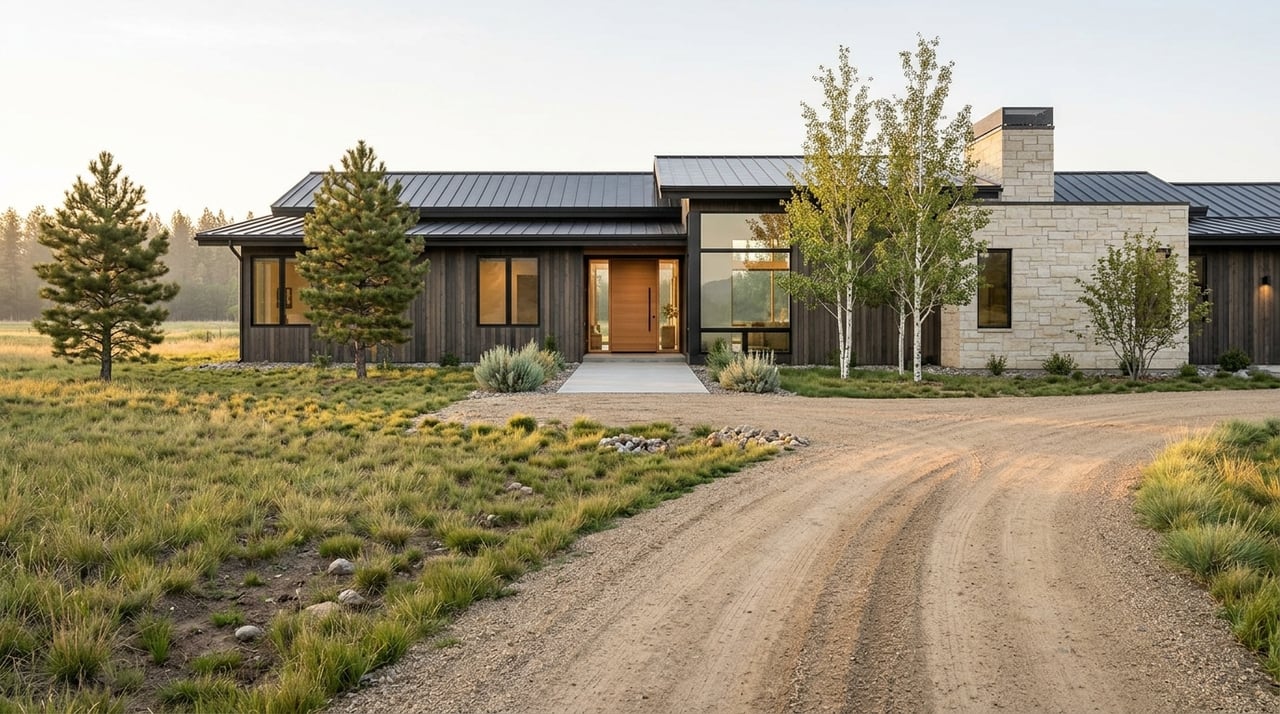
If you want more space, more privacy, and a little more breathing room in the Wood River Valley, Bellevue deserves a close look. For many buyers, acreage living sounds ideal until the practical questions start piling up: How far are you from daily services, what will the property require, and what does rural ownership actually feel like here? This guide will help you understand what acreage living in Bellevue, Idaho can look like, what to evaluate before you buy, and why this part of Blaine County stands out. Let’s dive in.
Bellevue's place in the valley
Bellevue sits at the mouth of the Wood River Valley in Blaine County, about 29 kilometers south of Ketchum and Sun Valley. The city describes itself as a former mining town, an agricultural hotspot, and a basecamp for hunting and fishing. That mix shapes the local feel today.
For acreage buyers, Bellevue offers a different rhythm than the resort core. You can find lower-density living and more land while still staying connected to the broader valley. The city’s planning priorities also emphasize stewardship of nature, public space, infrastructure, and transportation, which supports a practical version of rural living rather than total isolation.
What acreage living usually means here
In and around Bellevue, acreage properties often look different from standard suburban neighborhoods. Depending on the parcel, you may be considering a larger residential lot in town, a rural homesite outside city limits, or a property with room for animals, gardens, outbuildings, or guest space. That variety is one of Bellevue’s biggest draws.
Inside city limits, Bellevue’s residential building guide identifies zoning districts such as General Residential, Limited Business/Residential, Light Industrial, and Transitional. Single-family homes are allowed in the General Residential and Transitional districts. The city also allows accessory dwelling units in all zones, and lots over one acre may qualify for an ADU up to 1,200 square feet.
That matters if you want flexibility. A larger in-town parcel may support multigenerational living, guest quarters, or added function for long-term ownership. If your goals include a detached living space or other improvements, it is smart to review zoning and development standards early.
Outside city limits, Blaine County densities are much lower. Base densities include one unit per 5 acres in R-5, one per 10 acres in R-10, one per 20 acres in A-20, and one per 40 acres in A-40 and RR-40. In some county cluster developments, lots may be as small as one acre while preserving larger open areas and farmland.
This creates a range of acreage options. You may find large-lot homes, conservation-style subdivisions, horse-friendly parcels, or land that feels distinctly rural while still being tied to the valley. South of Bellevue, the county’s agricultural planning points to a landscape where open space and farming remain important parts of the setting.
The lifestyle tradeoff is often a good one
Acreage living usually comes with tradeoffs, but Bellevue softens many of them. You gain privacy, open views, and room to spread out without giving up easy access to the rest of the Wood River Valley. For many buyers, that balance is the real appeal.
One standout feature is the Wood River Trail, a paved year-round multi-use path that connects Bellevue, Hailey, Ketchum, and Sun Valley. The trail runs more than 20 miles, and it is groomed for Nordic skiing in winter. That kind of connection can make day-to-day life feel much more convenient than you might expect from a lower-density location.
Bellevue also has its own community amenities. The city highlights O’Donnell Park, Bellevue Memorial Park, and Howard Preserve, a 35-acre property along the Big Wood River. Residents can also access city services including water, sewer, streets, parks, buildings, and utility systems through Bellevue Public Works.
For everyday errands and support, Bellevue has practical infrastructure in place. City Hall and the Bellevue Public Library are both on East Pine Street. Mountain Rides serves Bellevue, Hailey, Ketchum, and Sun Valley, and Friedman Memorial Airport in Hailey adds another layer of accessibility for full-time residents and second-home owners alike.
Services for full-time living
One reason Bellevue works well for acreage buyers is that it can support more than a weekend escape. You are not choosing between land and basic convenience in the same way you might in a more remote area. That makes Bellevue appealing for both relocators and second-home buyers who want flexibility.
Bellevue Elementary is located in town. Blaine County School District also lists its middle and high school campuses in Hailey as part of the same public-school network. If school access matters to your household, Bellevue remains connected to that larger district structure.
Healthcare access is also part of the picture. St. Luke’s Wood River Medical Center in Ketchum offers a 24-hour emergency department, and St. Luke’s Family Medicine in Hailey provides same-day and walk-in care. For many buyers, having those services within the valley is a meaningful part of long-term comfort.
The property questions that matter most
When you start looking at acreage in Bellevue, a few practical questions usually shape the decision more than anything else. These issues affect not only what you can do with the property, but also your ownership costs, timelines, and maintenance responsibilities. It helps to evaluate them before you fall in love with the view.
Water and sewer or well and septic?
Some Bellevue properties may be served by city water and sewer, especially within city limits. Others, particularly more rural parcels, may need private systems. That difference can change your due diligence process in a big way.
For properties not served by city infrastructure, Idaho requirements come into play. The Idaho Department of Environmental Quality states that septic systems require a permit from a public health district. The Idaho Department of Water Resources states that a drilling permit and a licensed well driller are required before drilling a well.
For buyers, this means you will want clarity on existing utility service, system condition, and development feasibility. Soil suitability, septic permitting, and well planning are not side details on acreage property. They are central parts of the purchase decision.
Is the parcel in a floodplain?
Floodplain review is especially important in Bellevue. The city’s residential guide notes mapped floodplain areas near the Big Wood River, Slaughterhouse Canyon, and Muldoon Canyon. Development in the 1% floodplain requires a floodplain permit.
That does not automatically rule out a property, but it does mean you should understand the location and implications before moving forward. Build plans, insurance costs, and site use can all be affected. This is one of the first items worth confirming when evaluating land or large-lot homes.
What are the snow-load implications?
Bellevue gets about 80 inches of snow each year. The city also ties roof design standards to an 80 pounds per square foot snow load. In practical terms, winter conditions are not an afterthought here.
If you are buying an existing home, it is helpful to understand how the structure was designed and maintained for local conditions. If you are planning to build or expand, these standards become part of the design conversation early. Snow affects not just architecture, but also access, maintenance, and seasonal planning.
How should you think about wildfire risk?
Bellevue’s residential guide says the city is rated high wildfire risk because it is surrounded by public lands. For acreage owners, that is an important reality of living in a mountain environment. The setting can be beautiful and expansive, but it also calls for practical awareness.
This may affect how you think about defensible space, building materials, access, and ongoing property maintenance. It is another reason to weigh the land itself, not just the home. A beautiful parcel works best when its risks are well understood.
Can you add an ADU or outbuilding?
Many acreage buyers are looking for flexibility over time. You may want guest space, room for extended family, or a structure that supports hobbies and storage. In Bellevue, the answer depends on whether the property is inside city limits or under county jurisdiction.
Within the city, ADUs are allowed in all zones, and lots over one acre may be eligible for an ADU up to 1,200 square feet. Outside city limits, what is possible depends on county zoning and parcel characteristics. If future use matters to you, confirming those rules early can help you avoid expensive surprises.
Who Bellevue acreage fits best
Bellevue acreage tends to appeal to buyers who want space without feeling cut off. You may be looking for a primary home with land, a second home with more privacy, or a property that supports a quieter lifestyle while keeping the rest of the valley within reach. In each case, Bellevue offers a compelling middle ground.
This area can be especially attractive if you value room for gardens, animals, guest quarters, or simply more separation from neighbors. It also works well if you want access to trails, parks, medical care, airport service, and the broader Ketchum and Sun Valley market without living in the busiest part of it. That combination is hard to find in many resort-driven regions.
What to expect day to day
Day to day, acreage living in Bellevue often feels grounded and practical. You may wake up to wider views, bigger skies, and a little more quiet, but still have a clear path to schools, services, recreation, and nearby towns. That is a big part of why buyers continue to look south in the valley.
You should also expect a more hands-on ownership experience than you would have in a condo or compact in-town property. Land brings opportunity, but it also brings responsibility. The right property is usually the one that fits both your lifestyle goals and your tolerance for maintenance, planning, and seasonal conditions.
Why local guidance matters
On acreage property, the details matter. Zoning, utility service, floodplain status, snow-load standards, wildfire considerations, and future improvement potential can all shape the value and usability of a property. A careful review upfront can make your decision much clearer.
If you are considering acreage living in Bellevue, the best next step is a focused conversation about your goals, your timeline, and the kind of property that fits the way you want to live in the Wood River Valley. To explore Bellevue and surrounding Blaine County opportunities with clear, data-driven guidance, connect with Dawn Sabo.
FAQs
What is acreage living in Bellevue, Idaho like?
- Acreage living in Bellevue usually means more land, more privacy, and lower-density surroundings while still having access to valley services, recreation, and transportation.
Are there acreage properties inside Bellevue city limits?
- Yes. Bellevue’s residential guide indicates that larger residential sites exist within city limits, and lots over one acre may be eligible for an ADU up to 1,200 square feet.
What zoning should buyers review for Blaine County acreage near Bellevue?
- Outside city limits, Blaine County base densities include R-5, R-10, A-20, A-40, and RR-40, with allowed density ranging from one unit per 5 acres to one per 40 acres depending on the district.
Do Bellevue acreage homes always have city water and sewer?
- No. Some properties may be served by city infrastructure, while more rural parcels may require private well and septic systems.
What should buyers know about septic and wells on Bellevue acreage?
- Idaho requires a permit from a public health district for septic systems, and a drilling permit plus a licensed well driller are required before drilling a well.
Are floodplains a concern for acreage property in Bellevue?
- They can be. Bellevue maps floodplain areas near the Big Wood River, Slaughterhouse Canyon, and Muldoon Canyon, and development in the 1% floodplain requires a floodplain permit.
How much snow does Bellevue, Idaho get?
- Bellevue gets about 80 inches of snow annually, and the city uses an 80 pounds per square foot snow-load standard for roof design.
Is wildfire risk important for Bellevue acreage buyers?
- Yes. Bellevue’s residential guide states that the city is rated high wildfire risk because it is surrounded by public lands.
What amenities support full-time living near Bellevue acreage properties?
- Buyers benefit from access to local parks, the Wood River Trail, Bellevue Elementary, healthcare in Hailey and Ketchum, public transit through Mountain Rides, and airport access in Hailey.